
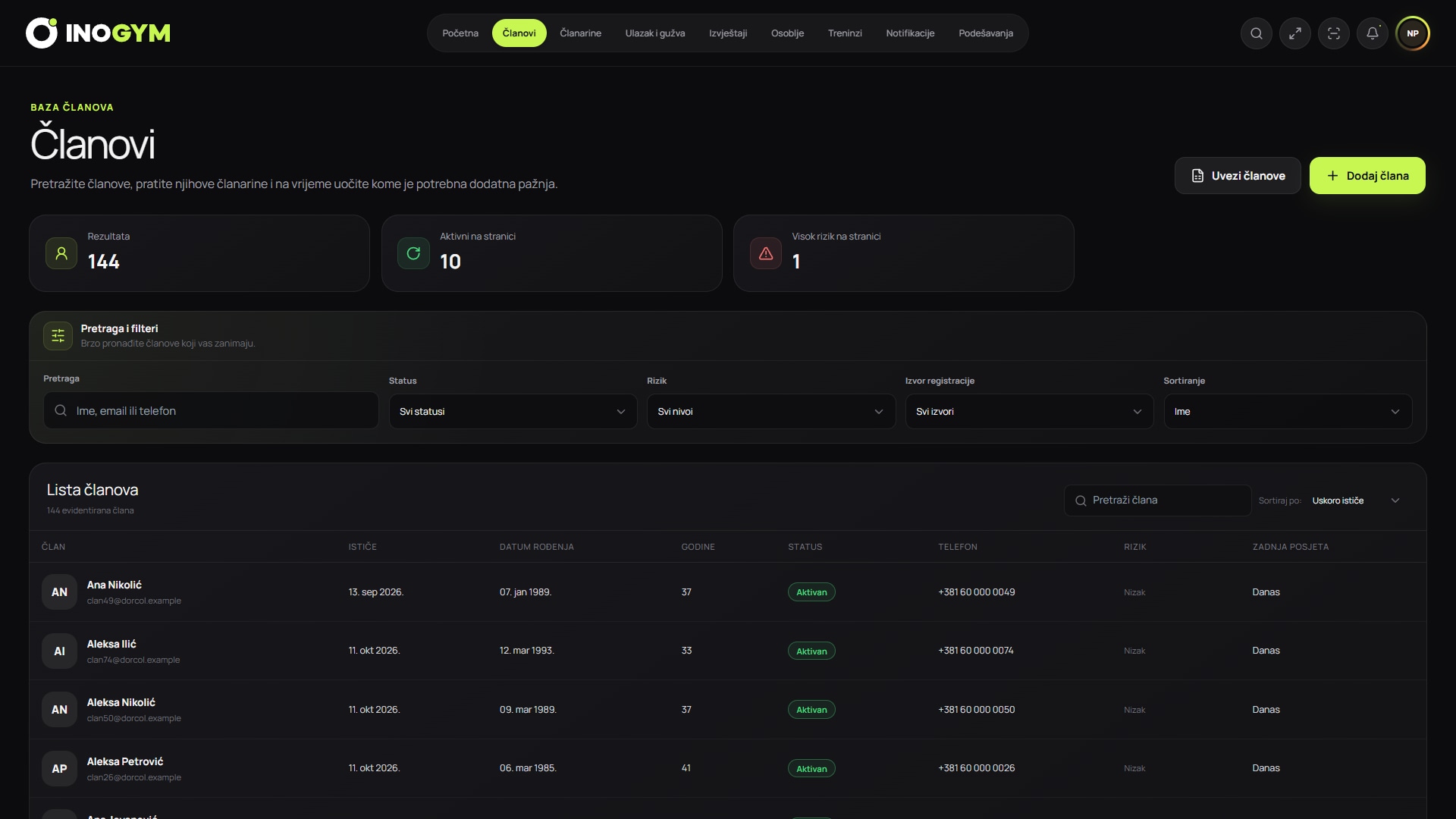
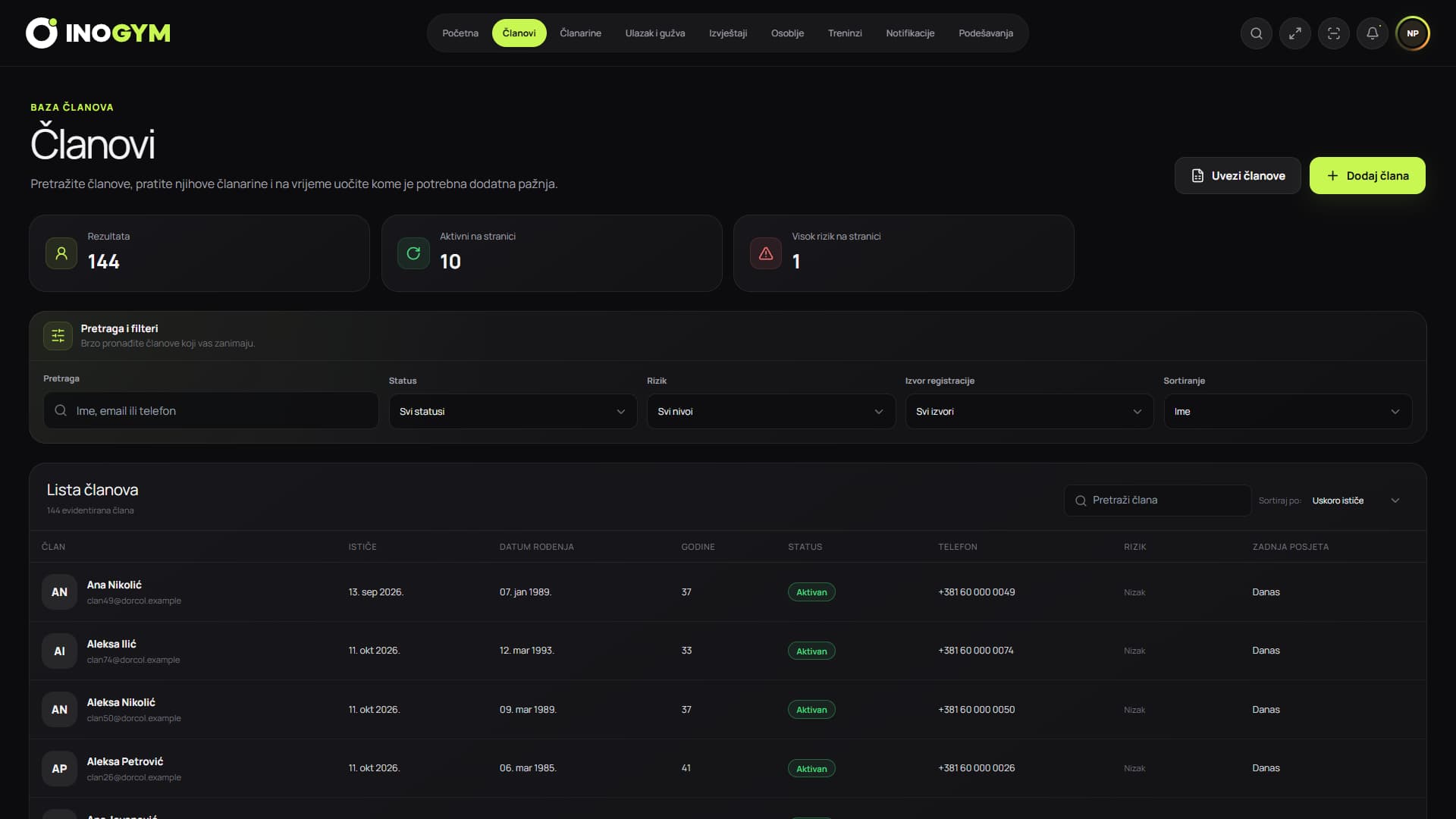
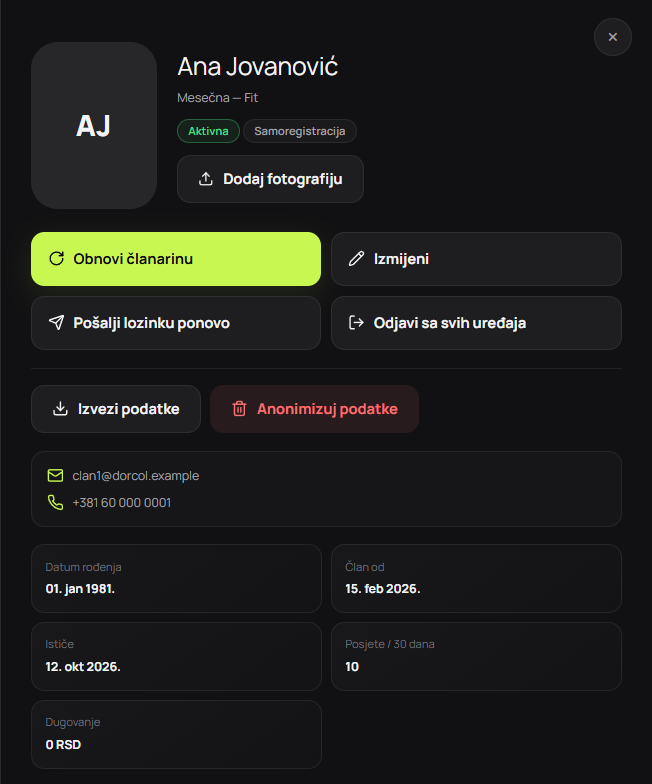
Minimal data and a clear registration status
Before creating a form, list its fields and document each one's purpose, requirement, retention period and users. Data that is merely convenient is not automatically necessary. Do not bundle separate consents with service terms or preselect them. The centre's responsible person or adviser should confirm the local legal basis and wording.
Operationally, distinguish a submitted form, a record awaiting review, a verified profile, a recorded payment, an active membership and active access rights. Combining every step into one status makes it harder for reception to see what is missing and increases the risk of incomplete records getting access.
- request only fields with a documented purpose
- do not publicly reveal whether a particular person already exists
- normalise phone numbers and email addresses before checking for matches
- leave every profile merge to an authorised review
Duplicate control without risky automatic merging
A matching phone number or email can be a signal, but is not always sufficient proof of identity: a family may share contact details, a number may change hands, or a user may mistype a letter. Flag suspicious records and let authorised staff check enough details before merging histories.
Before publishing the form, test empty values, different phone formats, letter case, spaces, diacritics and repeat submissions. Clear messages should help users continue without revealing existing member details or technical validation information.